How to hike safely with an emergency satellite communicator


Your phone is useless the moment you lose cell signal—which is exactly where most backcountry emergencies happen. An emergency satellite communicator fills that gap: it lets you send two-way text messages and trigger an SOS to a 24/7 rescue coordination center from anywhere on Earth, using satellites instead of cell towers. This guide explains how these devices work, how to use one safely, and three communicators we trust.
This article contains affiliate links. We may earn a commission if you make a purchase through our links, at no extra cost to you.
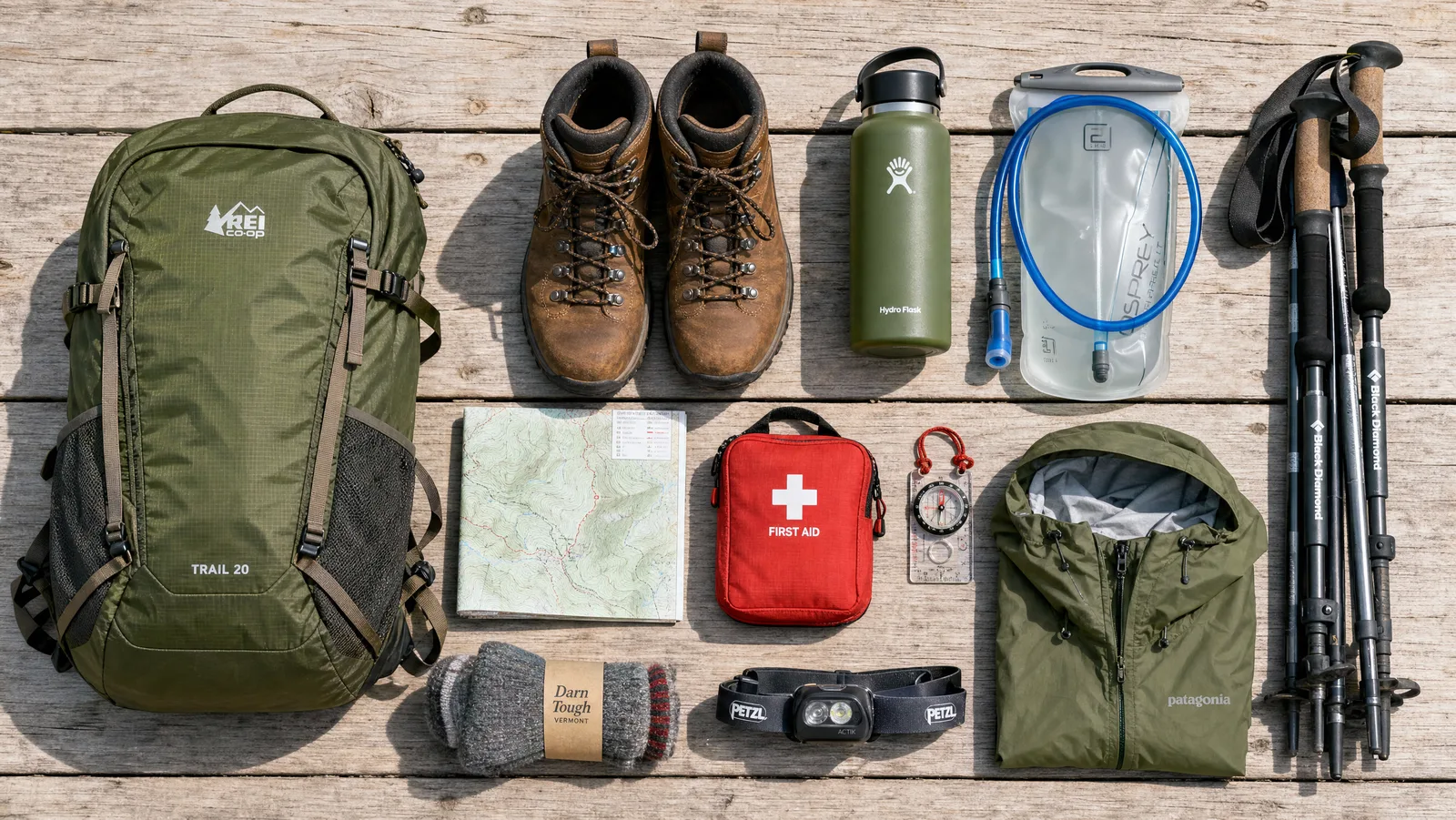
A communicator is the modern backbone of trail safety—pair it with a solid first-aid kit and the rest of the Ten Essentials, and see our hiking gear for beginners checklist for everything else to pack.
How a satellite communicator works
Unlike a cell phone, a satellite communicator connects directly to a satellite network—most use Iridium, which covers the entire globe, pole to pole. With it you can send and receive text messages, share your GPS location with friends or family, and, in a crisis, press a dedicated SOS button that alerts a professional 24/7 emergency response center and shares your exact coordinates so rescuers can find you.
Important: every device on this list requires an active subscription plan to send messages or trigger an SOS. Plans are usually monthly or annual, and many can be paused in your off-season—factor this ongoing cost into your decision.
How to choose a satellite communicator
- Messaging vs. navigation — a pure messenger (like the inReach Mini 2 or ZOLEO) is small and light and pairs with your phone for typing. An all-in-one handheld (like the GPSMAP 66i) adds a big screen and preloaded topo maps so it works as a standalone GPS.
- Battery life — look for multi-day battery in tracking mode for longer trips; all three picks last days, not hours.
- Size and weight — a pocketable messenger encourages you to actually carry it every time; a larger handheld trades weight for a usable map screen.
- Subscription cost — compare plan tiers, not just hardware price. Cheaper hardware can mean a pricier plan, and vice versa.
- Durability — choose an IPX7/IP68-rated, impact-resistant device; it's a safety tool, so it has to survive being dropped and rained on.
Here are our three picks ↓
How to hike safely with one
A communicator is a backup, not a substitute for good habits. Before every hike, tell someone your route and expected return time, and check in via the device at planned points so they know you're on track. If you get lost or hurt, stay put (a moving target is harder to find), conserve your phone and device battery, and trigger the SOS only for genuine emergencies—then follow the responders' two-way messages while help is on the way.
Frequently asked questions
Do I really need a satellite communicator for day hikes? For short, popular, well-traveled trails it's optional. But for solo hikes, remote areas, or anywhere without cell coverage, it's the single most valuable safety device you can carry—a quick way to summon help when no one else can reach you.
What are the biggest risks of hiking alone? Getting lost or injured with no way to call for help tops the list, followed by exposure, dehydration, severe weather, and wildlife encounters. A communicator directly addresses the worst of these by keeping a rescue line open even when you're off the grid.
Does a satellite communicator work without a subscription? No. The hardware needs an active service plan to send messages, share location, or trigger an SOS. Always keep your subscription current before heading out.
The picks

The inReach Mini 2 is the gold-standard pocket communicator and our top pick. At about 100 g it's tiny enough to clip to a pack strap and forget, yet it does everything that matters: two-way texting over the 100% global Iridium network, interactive SOS to Garmin's 24/7 Response center, TracBack routing to retrace your steps, and a battery that lasts up to two weeks in tracking mode. Pair it with the Garmin Messenger app to type quickly on your phone. (Subscription required.)

ZOLEO is the value pick, with some of the most affordable monthly plans and a clever trick: it sends messages over the cheapest available network—cellular, Wi-Fi, or Iridium satellite—so you save on airtime when you're back in coverage. You get a dedicated SMS number and email, unlimited check-ins, IP68 durability, and 200+ hours of battery. SOS routes to a 24/7 emergency monitoring center. (Subscription required.)

If you want a standalone navigator and not just a messenger, the GPSMAP 66i combines a full handheld GPS with inReach satellite technology. A large 3-inch sunlight-readable screen shows preloaded TopoActive maps and BirdsEye satellite imagery, so you can navigate without a phone, while inReach handles two-way messaging and SOS over Iridium. Battery runs up to 35 hours in standard tracking and 200 hours in expedition mode. (Subscription required for satellite features.)
Head-to-head
About the author
Victoria Miller
Victoria Miller is passionate about literature and outdoor adventures. After completing her undergraduate studies at the University of Utah, she spent a year traveling and hiking throughout New Zealand and Europe. She is an avid reader and has a penchant for escaping into worlds of her own creation.