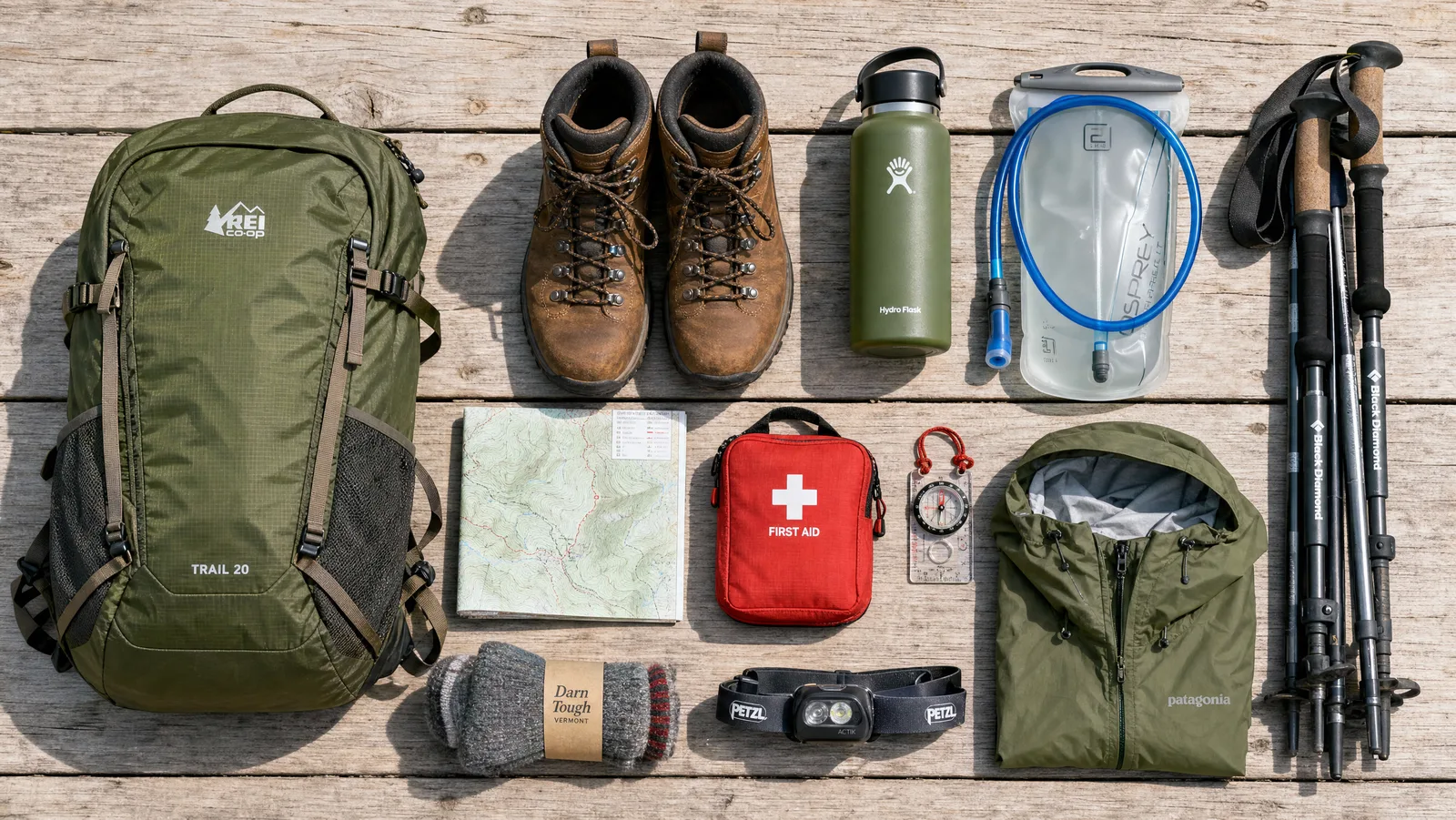
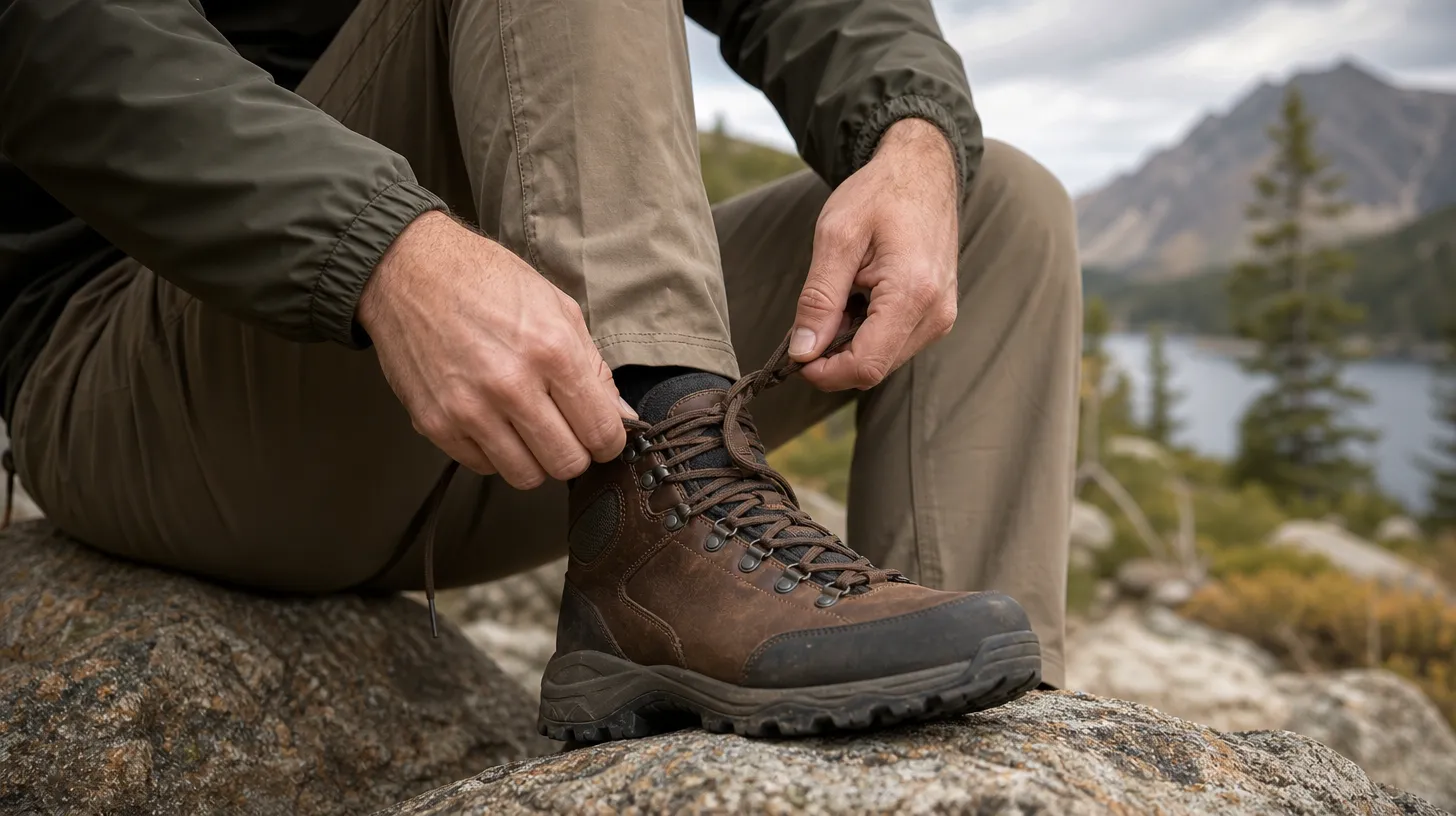
The 5 Best Hiking First Aid Kits for Any Outdoor Adventure

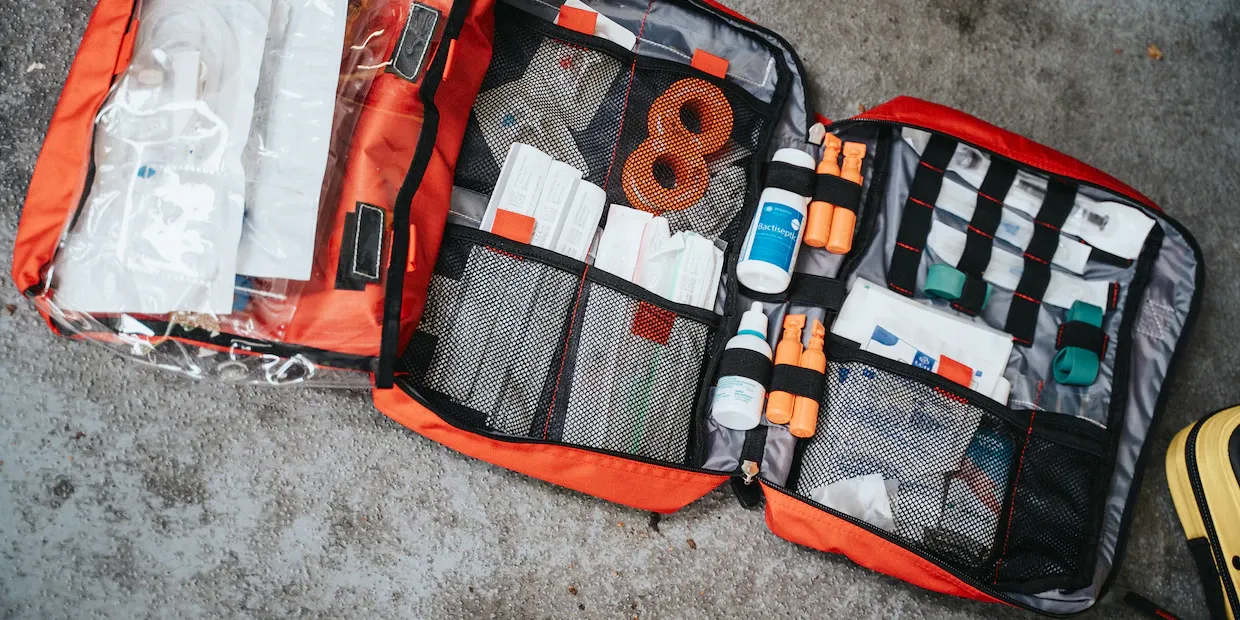
A hiking first aid kit is one of the Ten Essentials for a reason: a blister, a deep cut, or a sprained ankle is far more manageable miles from the trailhead when you're carrying the right supplies. The best kit is one that matches your trip length and group size, packs light, and keeps everything organized and dry. Below are five first aid kits we trust—from an everyday day-hiker to a group expedition kit—plus what to look for and what every kit should contain.
This article contains affiliate links. We may earn a commission if you make a purchase through our links, at no extra cost to you.
A first aid kit pairs naturally with a way to call for help—see our emergency satellite communicator guide—and it's a core part of the Ten Essentials and our hiking gear for beginners checklist.
How to choose a hiking first aid kit
- Trip length and group size — a solo day hiker needs far less than a group on a multi-day trek. Kits are usually rated for a number of people over a number of days; match that to your typical trip.
- Weight and packed size — it only helps if you actually carry it. For day hikes, a compact, lightweight kit wins; save the big expedition kits for longer, remote trips.
- Organization — labeled, injury-specific compartments let you find what you need fast under stress, instead of dumping everything out.
- Weather protection — a water-resistant or waterproof outer bag (and inner dry bag) keeps supplies usable after a river crossing or a downpour.
- Restockability — choose a kit you can refill, and check expiration dates on medications and ointments before each season.
Here are our five picks ↓
What every hiking first aid kit should contain
Whether you buy a kit or build your own, make sure it covers the basics:
- Adhesive bandages in assorted sizes, plus butterfly closures
- Sterile gauze pads and a roll of medical tape
- An elastic (compression) wrap for sprains
- A trauma pad or hemostatic dressing for serious bleeding
- Antiseptic wipes and antibiotic ointment
- Blister treatment (moleskin or hydrocolloid pads)
- Tweezers (for splinters and ticks) and small scissors
- Pain/anti-inflammatory and antihistamine tablets
- Non-latex gloves and a CPR face shield
- An emergency (mylar) blanket
- A first aid guide and any personal medications
Skip the old-school "snake bite" suction kits—modern first aid for snakebite is to keep the limb still, stay calm, and get to medical care fast. Add personal items for your needs (for example, fast-acting sugar if you're diabetic).
Frequently asked questions
What size first aid kit do I need for hiking? For solo or short day hikes, a compact kit rated for 1–2 people is plenty. For groups or multi-day backcountry trips, step up to a larger kit rated for more people and days—and consider taking a wilderness first aid course.
How often should I check my first aid kit? Before each hiking season, and after any trip where you used supplies. Replace anything you've used, and check expiration dates on medications, ointments, and adhesives.
Can I build my own kit instead of buying one? Yes—a pre-made kit is a convenient, organized starting point, but many hikers customize from there, adding blister care, personal medications, and extras for their specific trips.
The picks
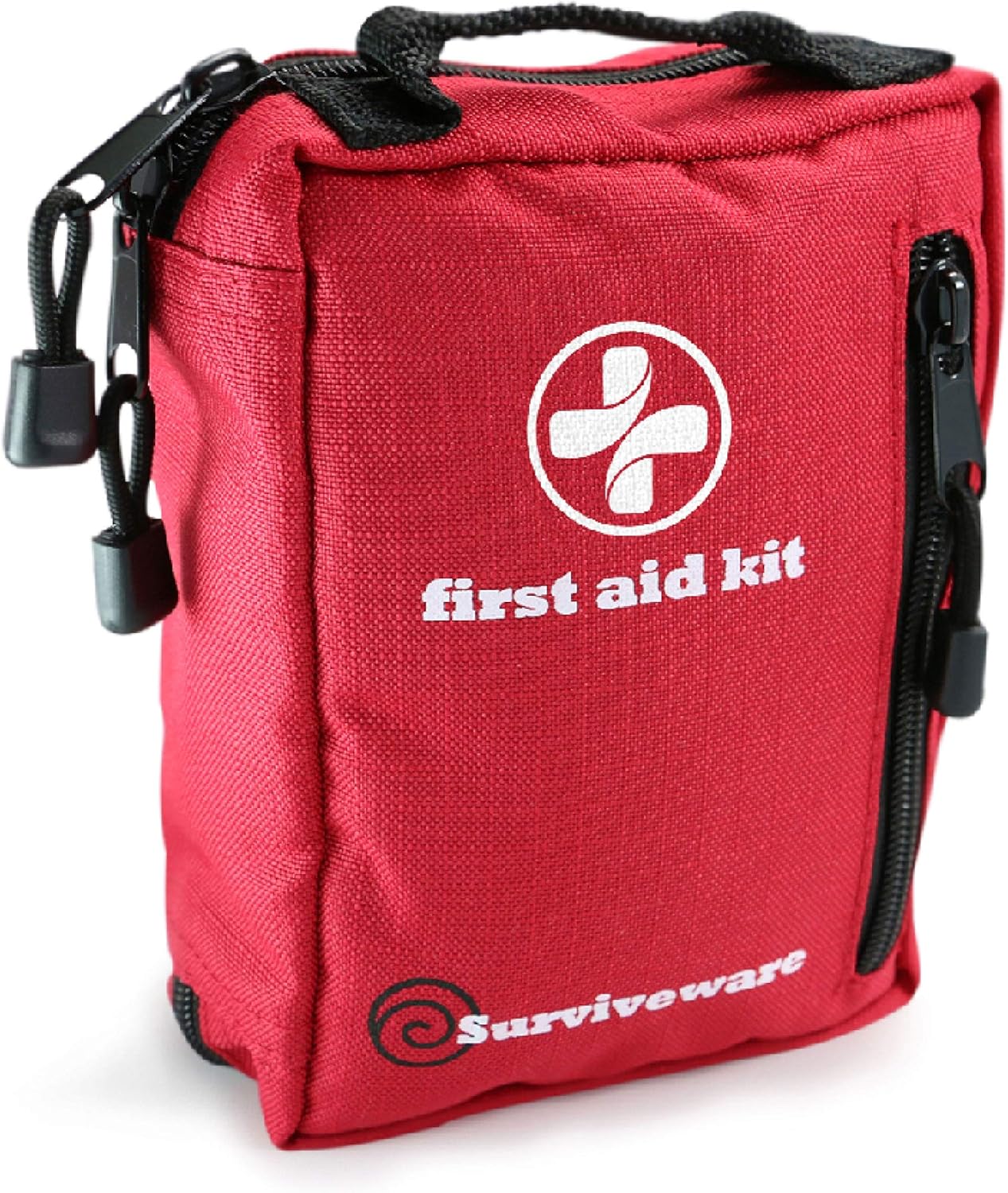
Our overall pick for hikers. The Surviveware kit packs 98 quality supplies into clearly labeled, injury-specific compartments, so you can find what you need fast. The 600D polyester bag is water-resistant and tear-resistant, it includes a removable CPR pouch and a first aid guide, and MOLLE-compatible straps let you clip it to a pack. Well-organized, durable, and easy to restock.

The best pick for day hikes and weekends. Built by Adventure Medical Kits and rated for up to 2 people for up to 2 days, the Hiker uses AMK's Easy Care system—supplies grouped by injury type in clearly labeled pockets inside a water-resistant bag. It includes a trauma pad, an elastic bandage for sprains, and a wilderness first aid guide. Light, focused, and trail-proven.

The choice when weight and weather matter most. This AMK kit seals supplies in a waterproof inner DryFlex bag housed in a water-resistant outer, so everything stays usable after rain or a creek crossing. Rated for up to 3 people for up to 3 days, it covers bleeding, blisters, sprains, and common meds while staying light enough for fast-and-light hikers, bikers, and climbers.

The pick for groups and longer expeditions. Rated for up to 4 people for up to 7 days, the Explorer scales up AMK's Easy Care system with comprehensive wound care, a trauma pad, a CPR face shield, splinting and sprain support, and a detailed wilderness first aid guide—all in a water-resistant, organized bag. The most complete kit on this list.

Part first aid kit, part survival kit. The EVERLIT packs 250 pieces—first aid supplies plus survival tools like a mylar blanket, tactical flashlight, paracord bracelet with compass and whistle, fire starter, and emergency poncho—into a rugged 1000D water-resistant MOLLE pouch. A great pick for hunters, preppers, and hikers who want emergency gear and first aid in one bag.
Top 3, head-to-head
About the author
Victoria Miller
Victoria Miller is passionate about literature and outdoor adventures. After completing her undergraduate studies at the University of Utah, she spent a year traveling and hiking throughout New Zealand and Europe. She is an avid reader and has a penchant for escaping into worlds of her own creation.